Security Alert: Fraudulent Emails Impersonating Hester Designs
We have become aware of fraudulent emails using the Hester Designs name, logo, and staff identity. Please use caution with any unexpected website maintenance, security, payment, or account request. Learn More >
Website Loading Slow? Read our article to help slim it down. Get help for big websites!
Boost your brand with proven creativity.
We design cool logos, cutting-edge websites, and stellar print and digital media. We help you launch your marketing goals toward success.
Boost your brand with proven creativity.
We design cool logos, cutting-edge websites, and stellar print and digital media. We help you launch your marketing goals toward success.




Effective print, web and marketing solutions.
Hester Designs creates clear, effective graphic designs for your marketing projects. Whether it’s a logo, business card, brochure, website, sign or branding your entire company, we will collaborate with you to produce polished creative design concepts. We have over 22 years and 10,000 project approvals under our belt. We can help you build a brighter future for your business.
Unleash creativity.
Check out some of the cool industries and amazing clients we serve:

Credit Unions & Banks
HD serves over 45 credit unions and banks in the United States. Our expertise is vital to your institution. Learn how we boost marketing.
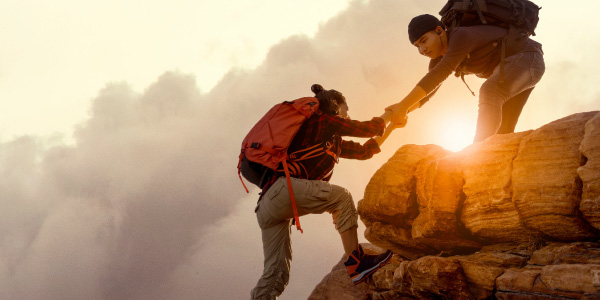
Nonprofits & Charities
Hester Designs provides design, web development and support to nonprofit charities worldwide. Learn we get more done for less.

Oil, Gas & Energy
Growing industries need strong, bold branding. Our design expertise will strategically help you compete. Learn how we increase branding.

Business & Start-Ups
HD works with businesses from start-ups to nationally known brands. Get a professional touch. Learn how we get you started.
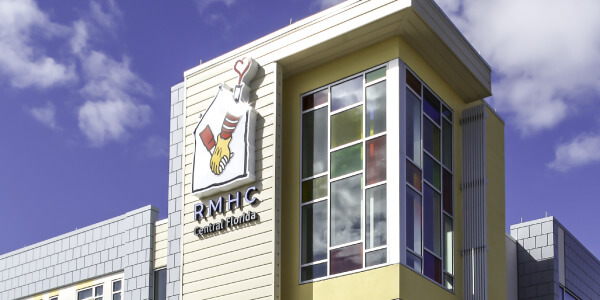
Ronald Mcdonald House
We work with RMHC chapters world-wide to provide design, web, and accessibility services and consulting. Learn how we help RMHCs all over the world.
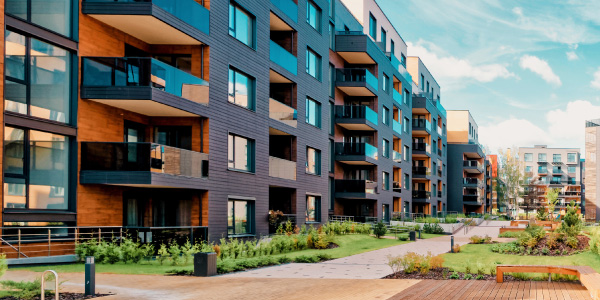
Property Developments
Visibility is key, both in physical location and online. Hester Designs will help you stand out in both areas. Learn how we build brands for developers.
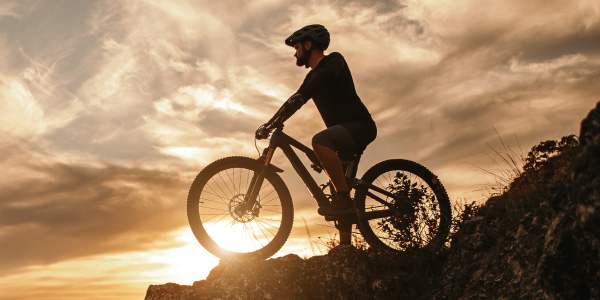
Cycling & Automotive
If it has wheels, we make it perform with graphics, logos, badges, and the visual touches it needs. Learn how we build successful brands.

Music & Entertainment
Take your music creativity to a pro level and share it with the world. Turn your hobby to profits. Learn how we help artists get known.

Designed with Heart for Accessibility.
An accessible website gets up to 12% more traffic!
The Hester Designs team is knowledgeable in Web Content Accessibility Guidelines (WCAG) and can help you meet online accessibility and ADA compliance. We are dedicated to inclusive design and are advocates for better design that meets these guidelines where possible. We can also help train your team.
We offer testing, consulting, and accessibility training. Get ahead of any potential legal issues concerning your website. Law suits are becoming more wide-spread.
Start your marketing project today. Call 405-235-5363.
Let’s collaborate! Hester Designs offers free estimates and affordable project-based pricing. No hourly rates here. Expect great value for seamless projects every time. Our systematic and collaborative approach keeps you on target, and helps you meet demanding deadlines.
Go for it!